
Faced with stiff competition from rivals and in a hurry to draw footfalls, hypermarkets are indulging in intense price war.

Three large property deals have already been finalised this year in Mumbai.

Kishore Biyani's Future Group is getting its act together on supplying its private labels outside the group's 1,000-odd outlets, even as Mukesh Ambani's Reliance Retail has already marched ahead by starting to sell some of its private brands to kiranawalas (independent stores).
The devil is in the detail for the real estate sector. Though the Budget gave sops to home buyers in the form of tax savings and interest rate subvention, it quietly brought back service tax on lease rentals in the Finance Bill.
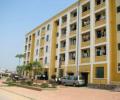
Rustomjee Business School, promoted by realtor Boman Irani, stands tall on S V Road in Mumbai's Dahisar area. Just a year ago, it was the site of an equally impressive Mega Mart promoted by Vishal Retail.

Several cities see a fall of up to 36% in sales, even as Mumbai region continues to grow.
The deal size could be in excess of Rs 2,000 crore, though this could not be verified. Sivasankaran had invested close to Rs 1,800 crore in 2007 to take a 41 per cent stake in Aamby Valley. The Sahara Group is the majority investor, with a 51 per cent stake.

The last date for receiving EoIs is February 28, after which a new reserve price will be announced.

Apartment prices at Planet Godrej, a premium residential property developed by Godrej Properties in the tony Mahalaxmi area of Mumbai, had come down to as low as Rs 17,000 to Rs 18,000 a sq ft in the property market slowdown last year.

The buoyant foreign capital flows in debt instruments since the beginning of 2010 could weigh on the Reserve Bank of India's decision on whether to raise policy rates.
Kishore Biyani's Future Group has seen a turnaround in home retailing after months of decline, on the back of improved consumer sentiments and focused merchandising plans, a key group executive said.

The Maharashtra government has decided to increase floor space index (FSI) to 3 from the current 2.5 for buildings which have come up between 1940 and 1960. The decision opens up the possibility for redeveloping 16,461 old buildings.

With the Reserve Bank of India allowing retired teachers, kirana shop owners and public call office (PCO) operators to be hired as business correspondents, banks are set to hire over 200,000 people over the next few years to push financial inclusion initiatives.

The country's largest lender will set up wind power projects in Maharashtra (9 Mw), Tamil Nadu (5 Mw) and Gujarat (1.5 Mw) - with a combined capacity of 15.5 Mw - for its captive consumption at various SBI offices and branches in these three states.

The intensification of global financial crisis in the second half of 2008 had forced Indian companies to put on hold their global plans. When going was good till early 2008, Indian banks -- both public and private sector -- played their part, albeit as junior partners to large international banks, in funding deals.

Power seems to have become the new dotcom," a market observer said, referring to the surge in the number of companies of all shapes and sizes wanting to get into the power business.

Litigation, regulations and the process of seeking approvals have also discouraged some developers.

Reliance Brands, a group company of Reliance Industries, began operations two years earlier to launch premium-to-luxury domestic and international brands and also set up retail stores for them.

The premium that borrowers would have to pay over the London Inter Bank Offered Rate (Libor) have not, however, shot up the way they did a year ago when spreads had jumped 750 basis points for some Indian companies in the aftermath of the collapse of Lehman Brothers.

After the euphoria, "affordable" realty developers are faced with the reality of excesses.
 © 2026 Rediff.com - Investor Information - Advertise with us - Disclaimer - Privacy Policy - Sitemap - Feedback - About us - Terms of use - Grievances